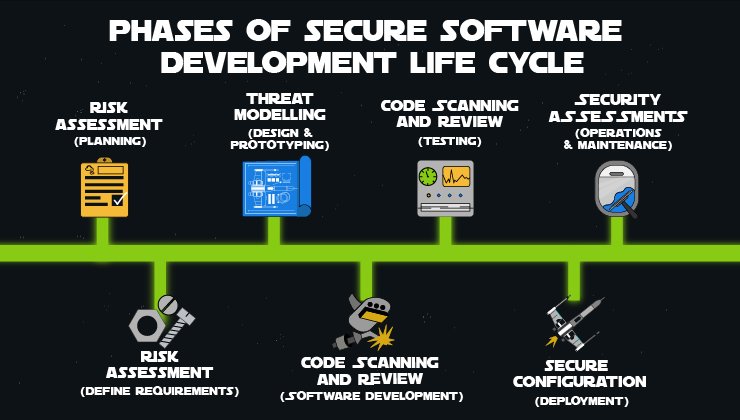
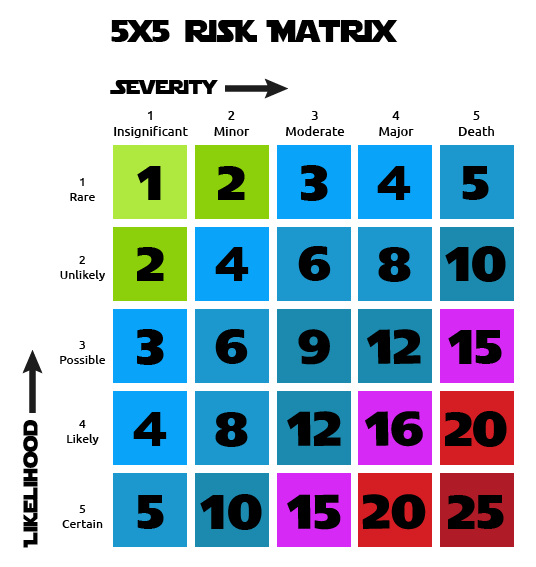
Risk: The likelihood of a vulnerability being exploited.
Types of Risk Assessment:
Qualitative:
Formula: Risk = Severity x Likelihood.
Classification: Low, Medium, High.
Benefit: Quick and easy to understand.
Quantitative:
Uses numerical values to calculate risk.
Example: Annual Loss Expectancy (ALE) = Potential Loss x Number of Assets x Annual Rate of Occurrence (ARO).
Benefit: More precise, allows for cost-benefit analysis of security controls.
Example: If a data breach could cost $20,000 per customer, and you have 100 customers, and the ARO is 0.001, then ALE = $2,000. If a security control costs less than $2,000 annually, it's worth implementing.
Business Criticality:* Assign points to services based on their importance to the business (e.g., authentication = 5 points).
STRIDE: Spoofing, Tampering, Repudiation, Information Disclosure, Denial of Service, Elevation of Privilege. Focuses on the CIA triad (Confidentiality, Integrity, Availability).
PASTA: Process for Attack Simulation and Threat Analysis. Aligns technical requirements with business objectives.
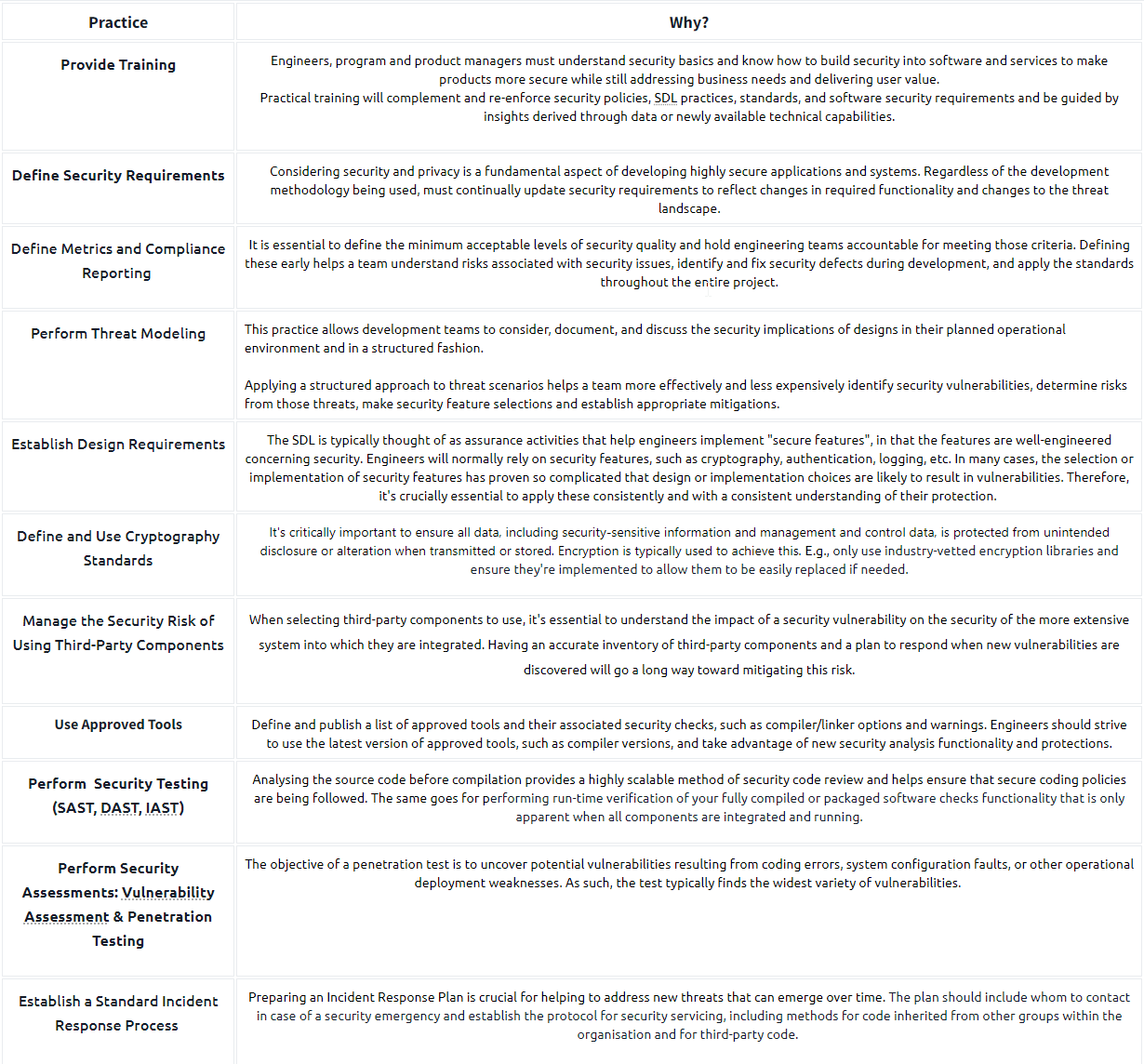
Goal: Prevent vulnerabilities from being introduced in the first place.
Vulnerability Mitigation: Can be done manually or automatically.
Security Testing Tools:
SAST (Static Application Security Testing): Analyzes source code before compilation. Detects potential vulnerabilities. Includes SCA (Software Composition Analysis) to check open-source components.
DAST (Dynamic Application Security Testing): Scans running applications for vulnerabilities.
IAST (Interactive Application Security Testing): Real-time testing in a staging environment. Identifies the specific line of code causing issues. Occurs post-build, unlike SAST.
RASP (Runtime Application Self Protection): Deployed on the application server. Monitors traffic and blocks malicious requests in real-time. Protects against various attacks without relying on specific vulnerability signatures.
Penetration Testing: Simulates real-world attacks to uncover vulnerabilities.
Timing: Often performed during the Operations & Maintenance phase.
S-SDLC Methodologies - Frameworks for Implementation
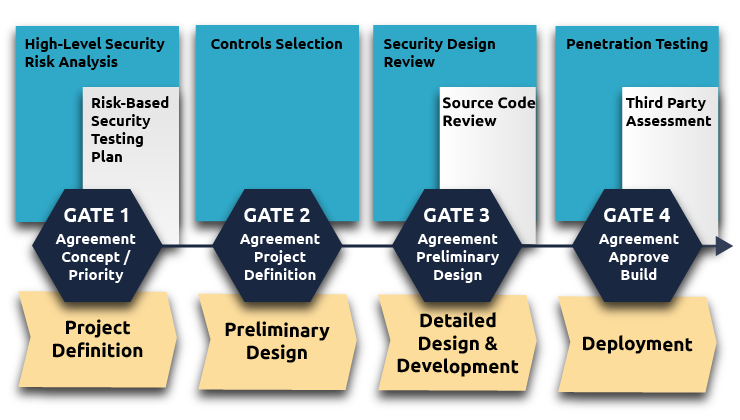
Microsoft's Security Development Lifecycle (SDL): A prescriptive process with defined stages and activities.
OWASP Secure Software Development Life Cycle Project (S-SDLC): Provides guidance and resources for implementing S-SDLC. OWASP SAMM (Software Assurance Maturity Model) can be used to assess and improve an organization's security posture. OWASP Secure Software Development Life Cycle Project (S-SDLC)